Underactive, overactive, lumpy or inflamed — the gland that sets your body's speed deserves more than a once-a-year TSH. Urgent testing, targets instead of habits, and a nodule clinic every Wednesday.
The thyroid runs your metabolism — energy, weight, temperature, periods, mood, heart rate. When it drifts, everything feels slightly wrong. And yet most people get one blood test a year, a dose that hasn't changed in five, and a report nobody explains.
This clinic runs differently: TSH, T3 and T4 reported the Urgent in-house, dose adjustments guided by targets you can see, nodule checks with ultrasound and FNAC under one roof — and a WhatsApp line for the results that arrive on Sunday.
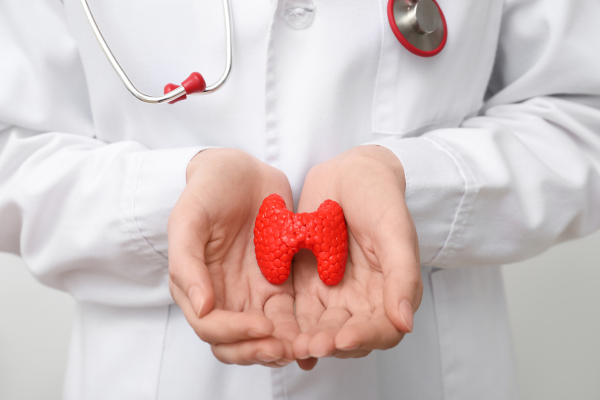
Fast or slow, smooth or lumpy, temporary or lifelong — each with its own plan, its own schedule and its own targets.
Weight gain, fatigue, cold intolerance, hair fall, heavy periods — TSH-guided levothyroxine dosing done properly, reviewed until the target is met.
Palpitations, weight loss, heat intolerance, tremor — medical control, radioiodine coordination and surgery options, discussed honestly.
Neck lumps and swellings — ultrasound mapping and FNAC on site. Most nodules are benign; we tell you clearly which ones need watching, and which don't.
TSH targets are tighter in pregnancy — planning, each trimester and post-delivery, run with your obstetrician from day one.
Post-viral, postpartum or autoimmune inflammation — often temporary. We treat the phase, test the recovery, and don't sign you up for lifelong tablets unnecessarily.
After thyroid cancer surgery — thyroglobulin tracking, calcium and vitamin-D surveillance, and yearly reminders that never lapse. Surgery tie-ups included.
Thyroid care is a loop of small, timely corrections — not one prescription renewed on autopilot for a decade.
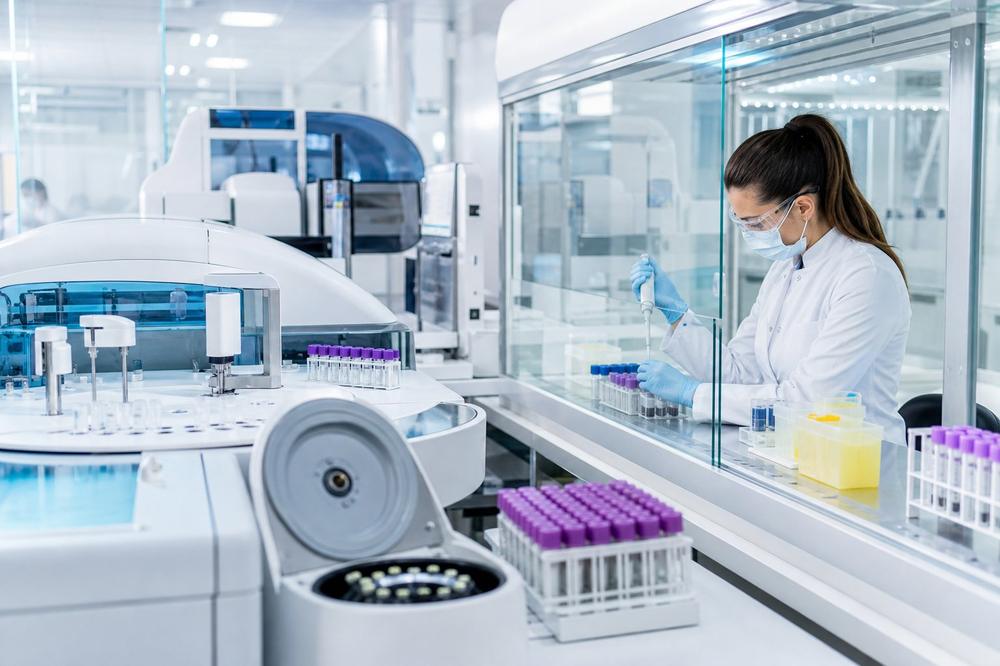
TSH, T3 and T4 in-house, reported the Urgent — often before you leave. Antibody testing and ultrasound when the picture needs more.
Doses move by TSH and symptoms, never by habit. Changes in precise steps, explained in plain words — with the target written on your card.
Retest in 6–8 weeks and send the report on WhatsApp — most dose tweaks happen without a revisit. Corrections never wait months.
Yearly follow-up reminders, nodule surveillance calendars, pregnancy transitions — the follow-up you stop worrying about because we don't.
No fasting, no running between labs, no waiting a week for a number that decides today's dose.
Consultation, imaging and — when needed — FNAC in one morning, with the pathology tie-up already in place. One visit instead of three.
Every nodule measured, mapped and graded. Most simply get a calendar — recheck in 6–12 months — so you stop guessing what it is.
For the few nodules that do need surgery — a planned handover to an endocrine surgeon, with the plan shared with you and Dr. Sharma first.
Ultrasound, FNAC and pathology appointments arranged in one place. Reports on WhatsApp the day they arrive — and yearly TSH reminders so surveillance never slips.
Free for every patient of the clinic. One desk, one number, zero chasing between departments.
For nodules or thyroids that eventually need an operating room — a planned handover to an experienced endocrine surgeon, with Dr. Sharma staying on for the aftercare.
You'll know before it's booked. Options, risks and costs discussed with you, not just about you.
From first blood test to steady state — here's exactly how the first months run.
Examination, TSH/T3/T4 the same morning, ultrasound if there's a nodule — and a written plan in your hand before you leave.
Retest, then dose tuned to your TSH target — most adjustments happen without a revisit. If you're newly on tablets, this is where it settles.
TSH once a year when stable, nodule surveillance on its calendar, reminders from us — and an open line whenever something changes.
The five questions thyroid patients ask us most — with the answers Dr. Sharma actually gives.
All FAQsThyroid OPD with Sushrut Healthcare · nodule clinic every Wednesday. Urgent TSH — answers before you leave.